Issue 001 Ngisebhishi. Ngiyabhukuda

Ngihlezi la, ngiyacabanga

A collection of thoughts, conversations, and things that have been living rent free in my mind.

Published 2026 Pieces 5 Reading time ~30 min

Editor's
Note

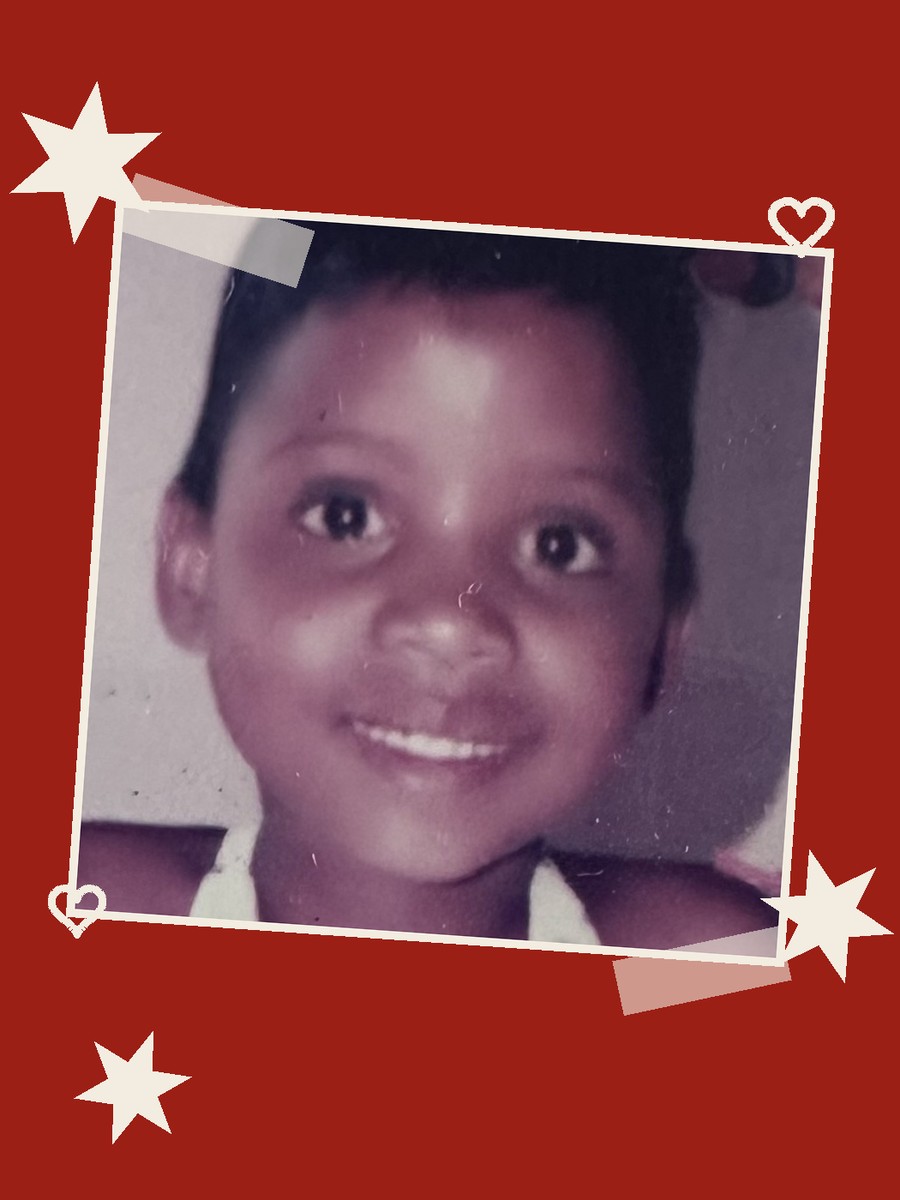
Scrapbook-style childhood photo of Asande taped onto a red background with paper-colored star and heart doodles

Sho, sho bafethu, what's good?

Kapteni wama Pholile Boiz reporting live for duty.

It's been a while (let's not count the years), but welcome.

Now, you're probably wondering why you're reading this (or listening to me yap). To be honest, I missed having conversations and sharing some of my thoughts on paper or, in this case, through this zine.

🎙 Listen to the Editor's Note 1:44
Prefer reading? View transcript
Sho, sho bafethu, what's good? Kapteni wama Pholile Boiz reporting live for duty. It's been a while (let's not count the years), but welcome. Now, you're probably wondering why you're reading this (or listening to me yap). To be honest, I missed having conversations and sharing some of my thoughts on paper or, in this case, through this zine. This first issue is an ice breaker. It's my way of welcoming the new Pholile Boiz ebhishi while also giving the day ones and me a chance to reconnect. I tried my best to keep things short and simple this time around. (KISS, right?) A big thank you to Manala for taking the time to have a conversation with me. Shout out to Nightmare Henry for making sure we're vibing to some chilled tunes at the beach, wenze ka khulu for this new edition, and a big dankie, chomie to Takeover for allowing his images to find another home ebhishi. I hope you enjoy reading and listening to this offering just as much as I enjoyed putting it together. Welcome, ba ngani bami basebhishi.

This first issue is an ice breaker.

It's my way of welcoming the new Pholile Boiz ebhishi while also giving the day ones and me a chance to reconnect. I tried my best to keep things short and simple this time around. (KISS, right?)

A big thank you to Manala for taking the time to have a conversation with me. Shout out to Nightmare Henry for making sure we're vibing to some chilled tunes at the beach, wenze ka khulu for this new edition, and a big dankie, chomie to Takeover for allowing his images to find another home ebhishi.

I hope you enjoy reading and listening to this offering just as much as I enjoyed putting it together.

Welcome, ba ngani bami basebhishi.

uKapteni wenu ogcwele ngani,

uAsande
In this issue

Contents

01 In ConversationManala 8 min 02 From the ArchiveMunka 6 min 03 Thinking AboutIfa Lakwa Mthethwa 9 min 04 Rent FreeIxoxwa Ngethombe 3 min 05 Ngisebhishi FMThe issue's companion playlist Listen
01 — In Conversation

In Conversation with: Manala

On curiosity, craft and making with your hands.
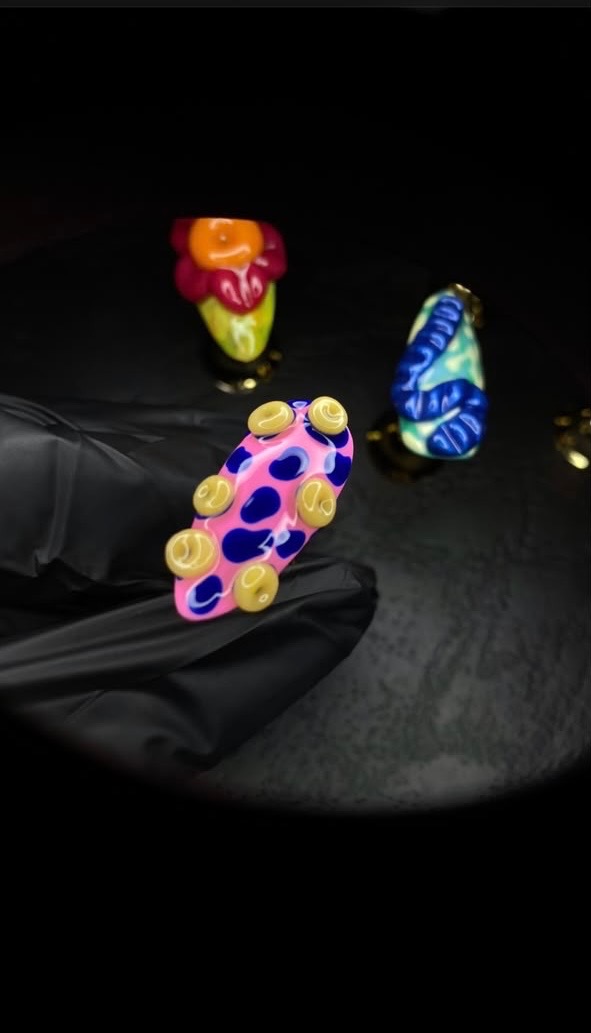
Colorful nail art pieces displayed on a black surface

Why I'm thinking about Manala

I first came across Manala during PUMA's H-Street campaign shoot. While everyone else was busy preparing for the next shot, I found myself paying attention to something much smaller: a beautifully designed set of press-on nails. They stayed with me long after the shoot wrapped.

Months later, I was still thinking about them. Curiosity eventually got the better of me. I wanted to understand the person behind the work, not just how Manala started, but how someone builds a practice around care, patience and making things with their hands.

This conversation is the result.

When did you realise you wanted to create Manala?

🎙 In her own words — How Manala began 0:52
Prefer reading? View transcript
"...every time I went to the salon and did my nails I was never quite happy. It would either be the shape or the sides not filled in properly and I always thought to myself, I could do it better...I am very specific and slightly OCD, so doing my own nails felt like the perfect solution to all of that, and that eventually turned into Manala."

What building Manala has taught her.

How has building Manala shaped how you see yourself as an artist?

🎙 In her own words — On resilience 0:52
Prefer reading? View transcript
"...everyone in my family produces with their hands. Whether it's farming, carpentry, construction... everyone takes pride in perfecting whatever skill they've been gifted with, and that pride in my skill is the backbone of what runs and builds Manala on a daily basis. Building her has taught me patience and so much resilience...she has given me the biggest guspa to constantly try and knock on the biggest doors available to me."
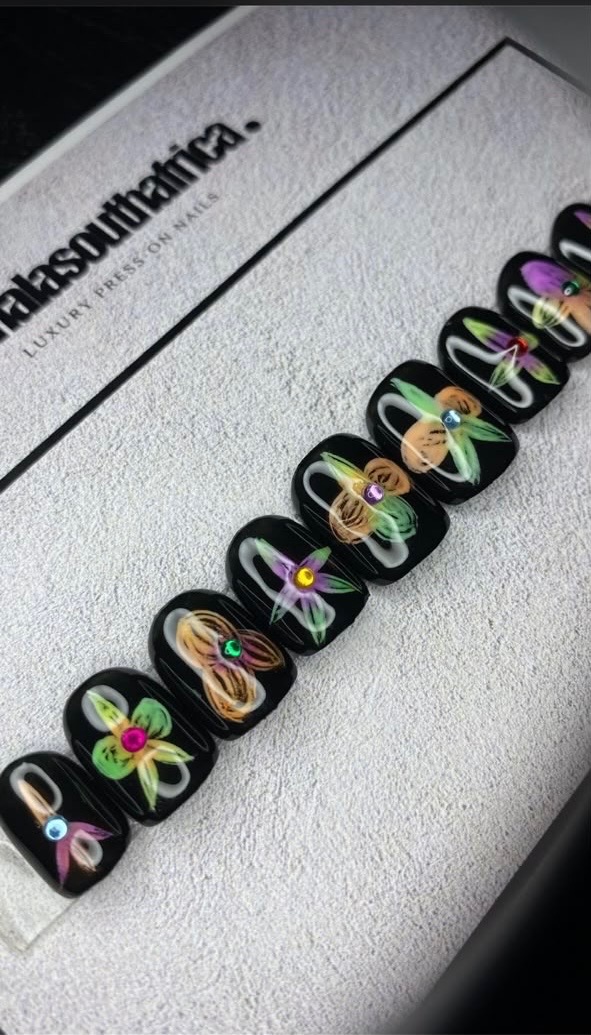
Black press-on nail set with hand-painted floral designs and gemstone accents

Photography via @manala_za

Building community.

The Press-On Sip & Paint feels like more than a workshop. Why was that important to you?

"We're constantly online scrolling our lives away...I wanted to pour back into the community, and the Press-On Sip and Paint experience allows me to do just that by transferring skills a nail at a time, and maybe even inspiring someone — even if it's just one person — to start."

Nail painting session with @manala_za & @createpaintandsip
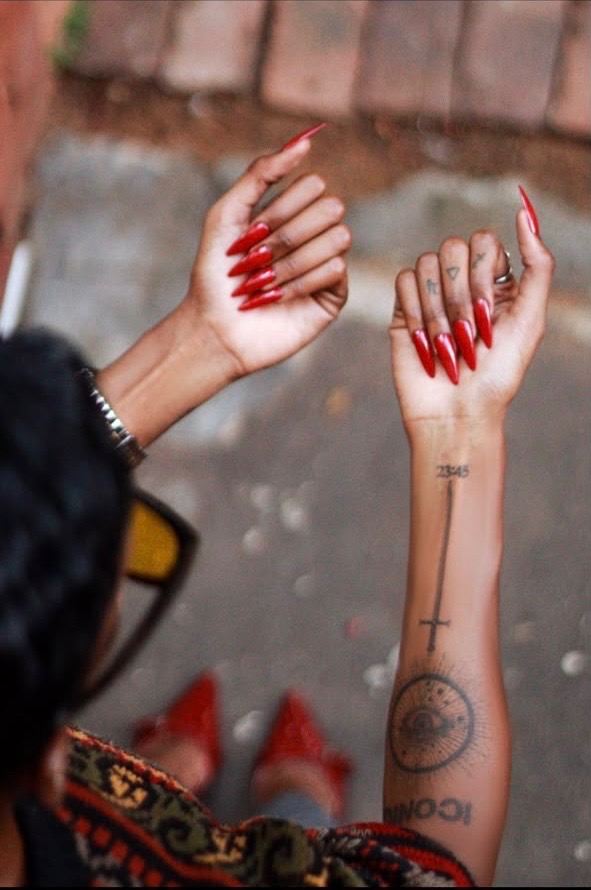
Red stiletto press-on nails, hands raised with wrist tattoos visible

Photographed by @khocy_pics, for @leagokunene
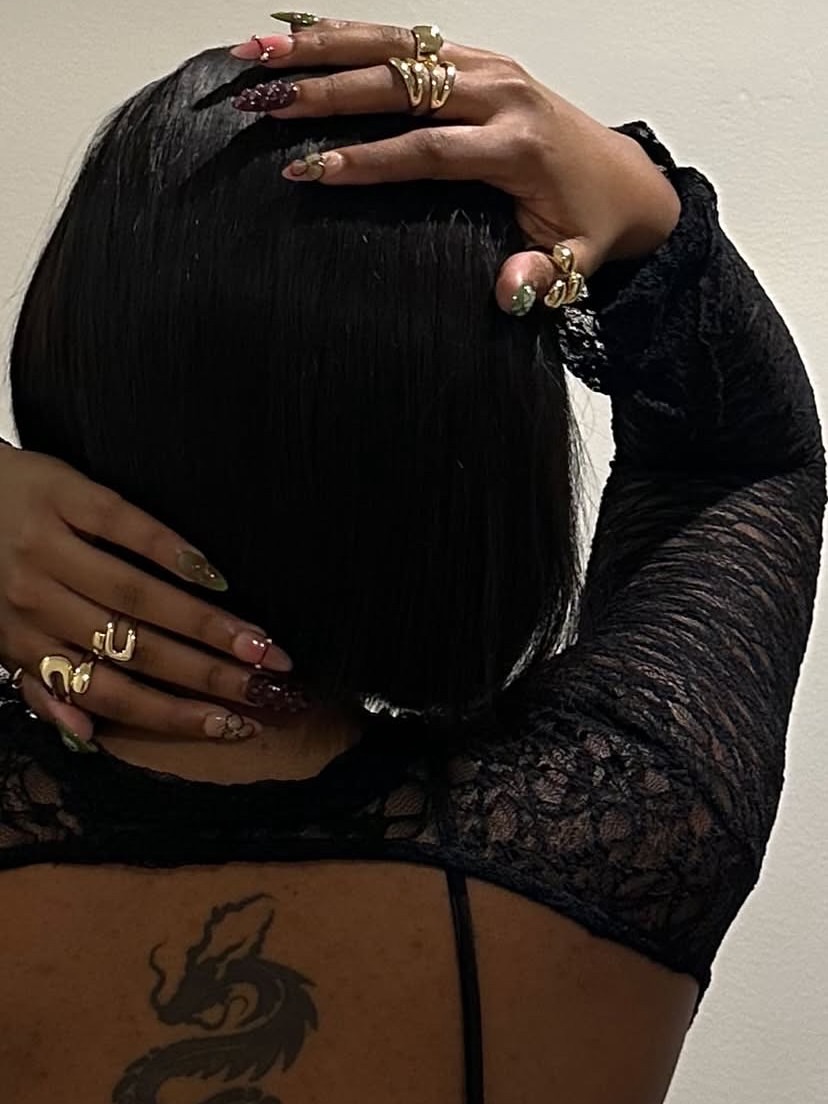
Press-on nail set with gold rings, styled with a dragon back tattoo

Featuring @leratophasha_ · via @manala_za

Reigniting the spark.

What do you return to when your creativity feels quiet?

🎙 In her own words — Finding inspiration again 0:59
Prefer reading? View transcript
"I'm a sucker for a great editorial spread, the drama, the exaggerated hair, nails, makeup, fashion, all of it...I also follow and watch a lot of conceptual nail artists on Instagram...unraveling a design layer by layer then putting it back together — I'd literally do that all day, and it's fair to say I have."

When words aren't enough.

You once said, "When I can't speak, I'd rather create." What does that mean to you?

"I see art in layers, break it down to build it up again and vice versa. It is a form of therapy for me. When I can't speak I'd rather create...sometimes it's as simple as making a client happy by bringing their vision to life."

Custom set for @_rezstudios · via @manala_za

"When I can't speak,
I'd rather create."

I went into this conversation with a list of questions written to guide it. I left with something closer to an answer, that the things we're most particular about often end up pointing us toward the work we're meant to do.

Check out her amazing work at @manala_za.
02 — From the Archive

Light of Day

A piece that almost didn't see the light of day.

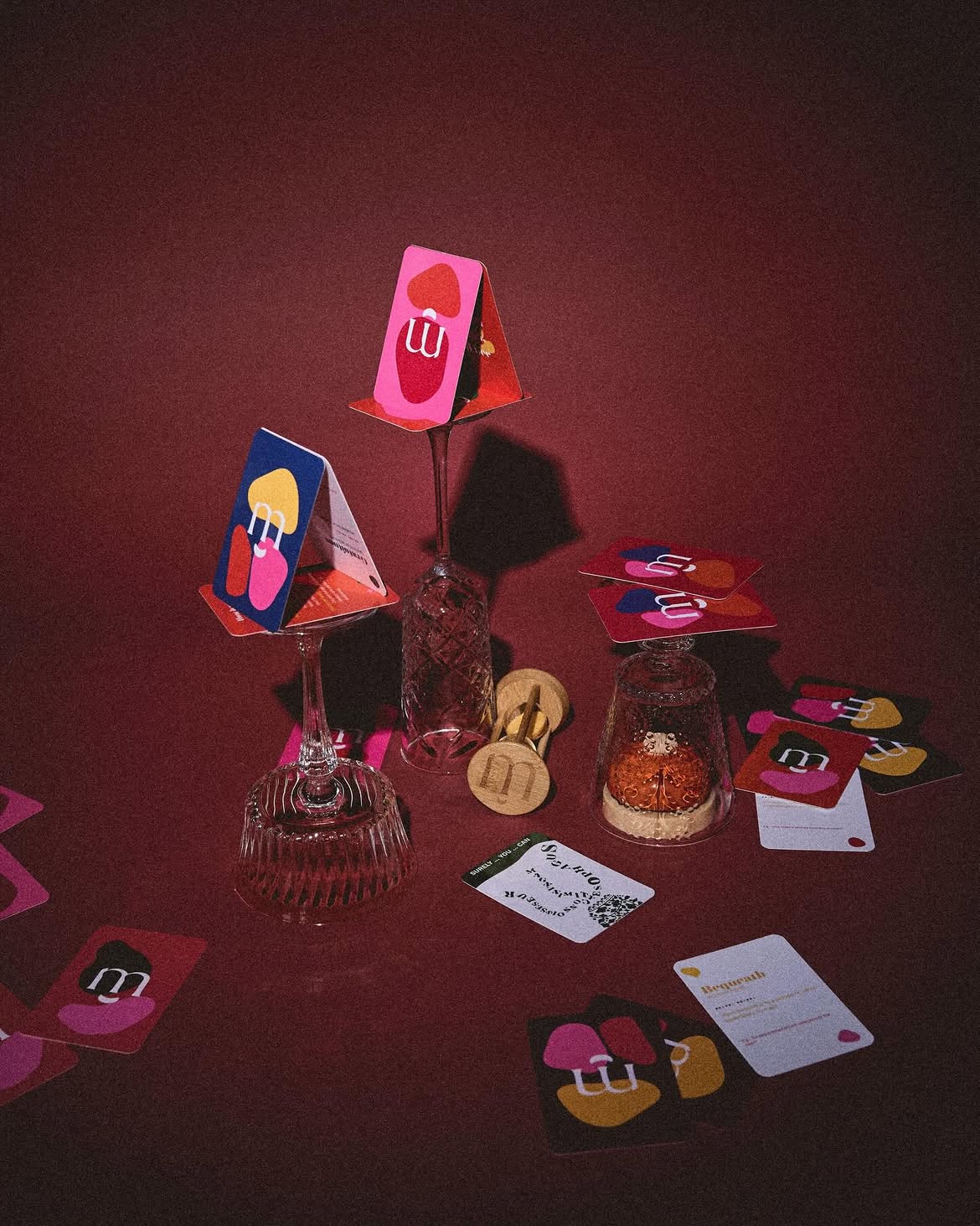
Munka cards balanced on stacked wine glasses against a deep red background

Photographed by @melmbawu · for @munka.world

Why this piece is here

Every now and then I revisit old folders and stumble across pieces of work I still believe in. This was one of them.

The idea came to me after I randomly came across a short video from Munka while scrolling on Instagram. I couldn't stop thinking about it, so I sat down and wrote.

The piece was originally written for a project that never quite found its way into the world. Instead of leaving it tucked away in a work folder, I thought I'd finally give it a place to live.

Maybe this is the first of many pieces that get to see the light of day.

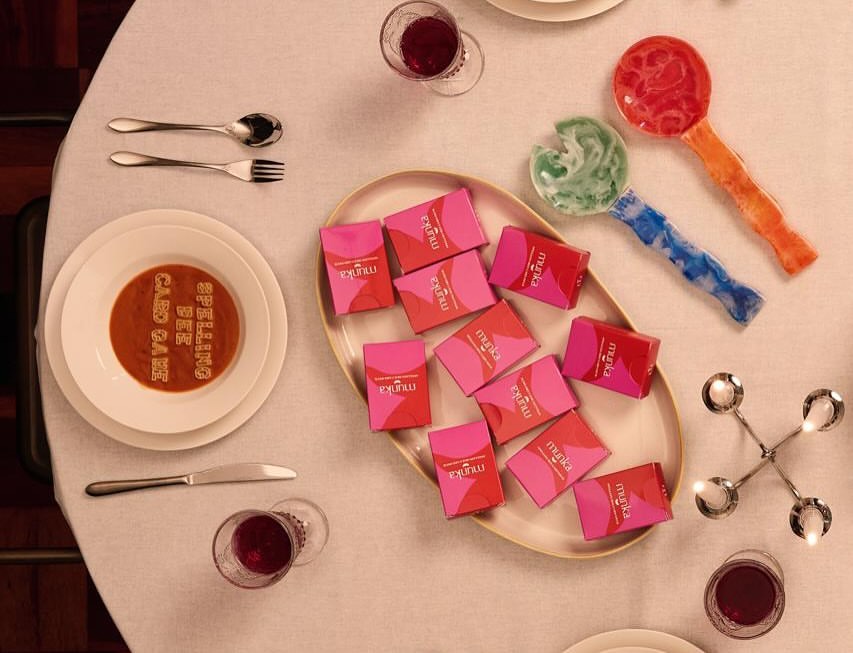
Overhead shot of Munka game boxes styled on a dinner table with wine glasses and a dessert reading 'Spelling Bee Card Game'

For @munka.world

Autocorrect Isn't Coming to Save You

Picture this: the air is thick. You're standing in front of your opponents, carefully trying to spell "necessarily." On any other day, autocorrect would've quietly fixed that extra c you didn't mean to add. You'd never even notice.

But you're not typing. Suddenly, the stakes feel much higher than they should.

You glance around the room. No red underline. No second chances. Just you, the word, and the creeping suspicion that you've been getting away with it this whole time. Somewhere in the back of your mind, your Grade 2 spelling song tries to resurface.

It's too late. In this moment, one thing becomes very clear: Autocorrect isn't coming to save you.

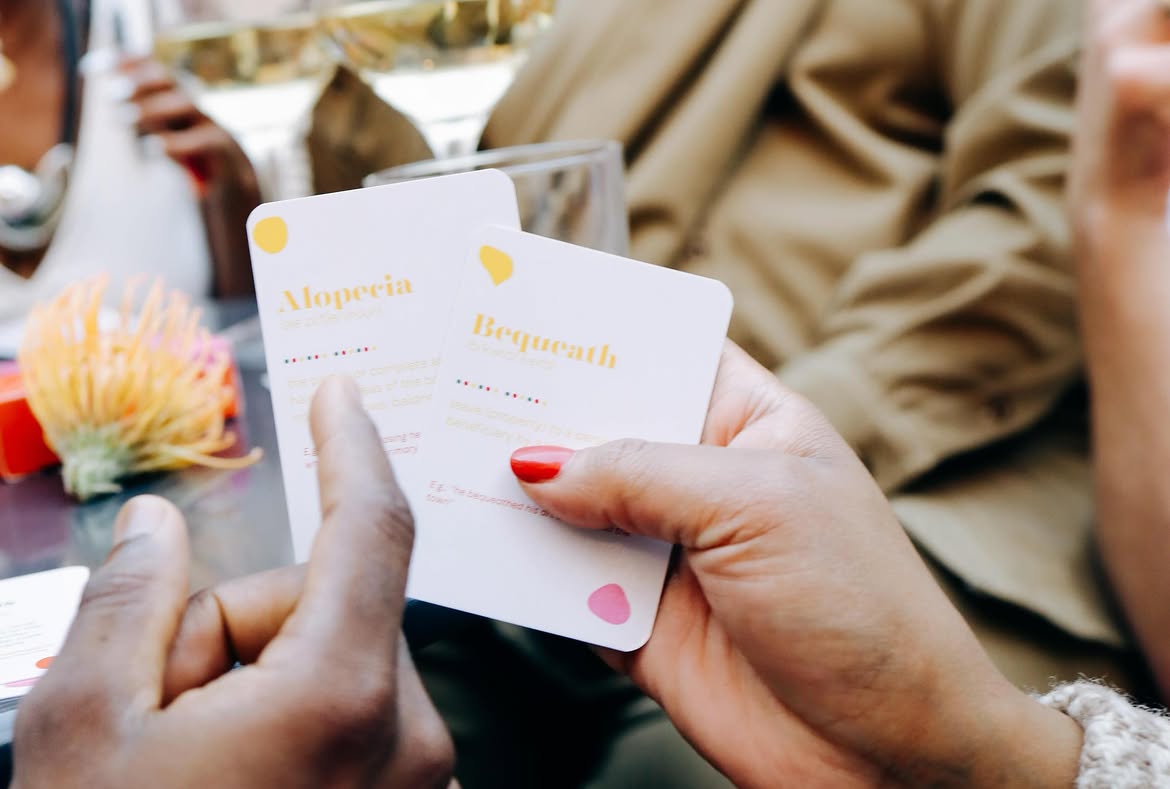
Close-up of hands holding Munka game cards with word definitions, 'Alopecia' and 'Bequeath'

For @munka.world

Maybe that's the point. Somewhere along the way, words became effortless. We type fast, delete even faster, and rely on technology to clean up the parts we're unsure about. The meaning still lands, but the moment gets lost.

Words become something we send, not something we stand by. Munka changes that.

As a South African-made word game, Munka brings words back into the room, where they're spoken out loud, questioned, defended and, sometimes, completely butchered.

It turns everyday language into something active again. Something shared. Because when you can't hide behind a screen, every word carries a little more weight. A simple spelling can spark debate. A definition can shift the mood.

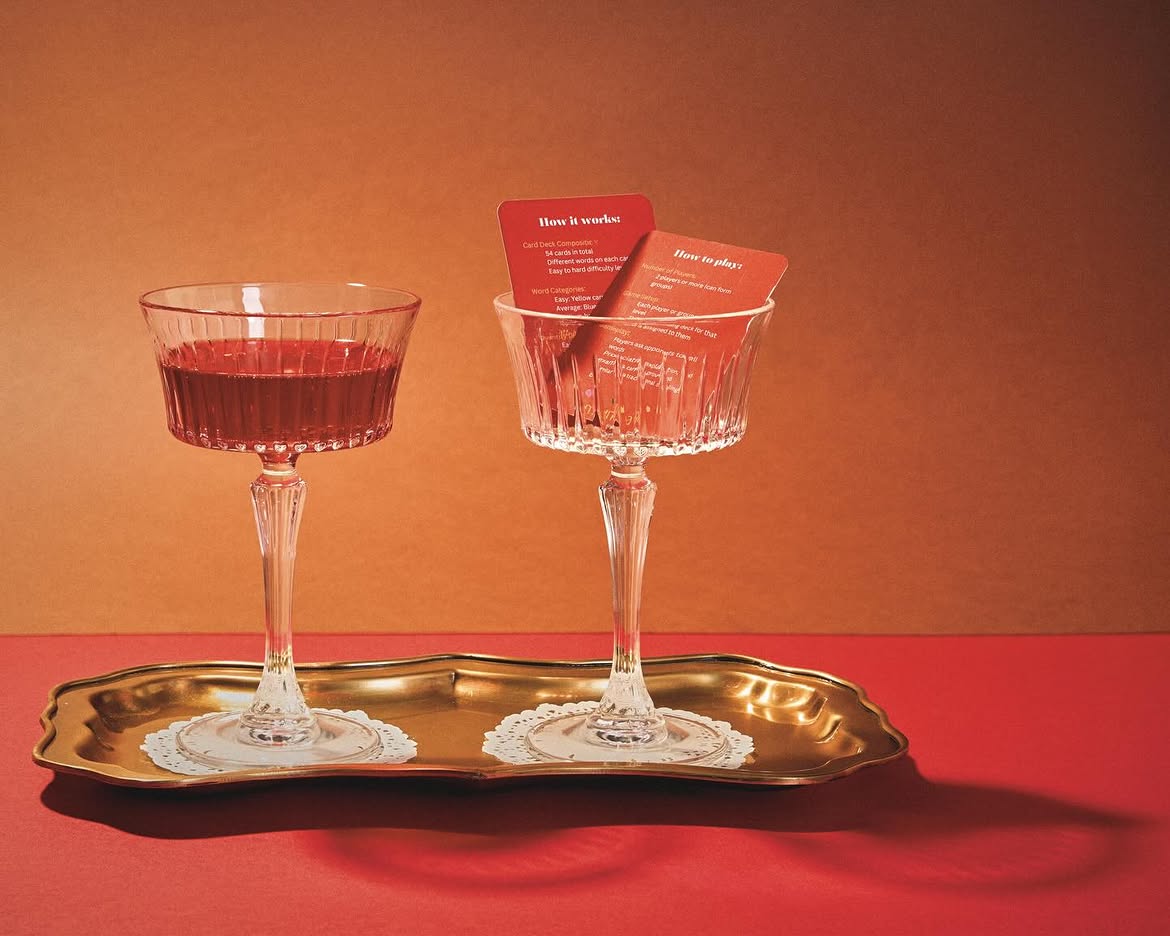
Two crystal coupe glasses on a gold tray, one holding red 'How it works' and 'How to play' Munka rule cards

Photographed by @melmbawu · for @munka.world

The smallest mistake can become the joke everyone carries into the next round. It's unpredictable. It's competitive. And it's a reminder that language was never meant to be perfect. Just experienced.

Munka doesn't just test what you know. It changes how you use it.

Still thinking...

I still find myself coming back to one idea from this piece.

Technology has made communication faster, but it has also made us less intentional. We don't have to remember how to spell every word anymore. We don't always pause to think about why we choose one word over another. Most of the time, something else does that work for us.

Maybe that's why this idea stayed with me. Not because it's about a word game, but because it's about conversation. About slowing down. About laughing when we get something wrong. About remembering that language isn't only meant to be correct, it should also bring us together.

I'm glad this piece finally found somewhere to live.

03 — Thinking About

Ifa Lakwa Mthethwa

On world-building, ambition and the power of seeing ourselves differently.

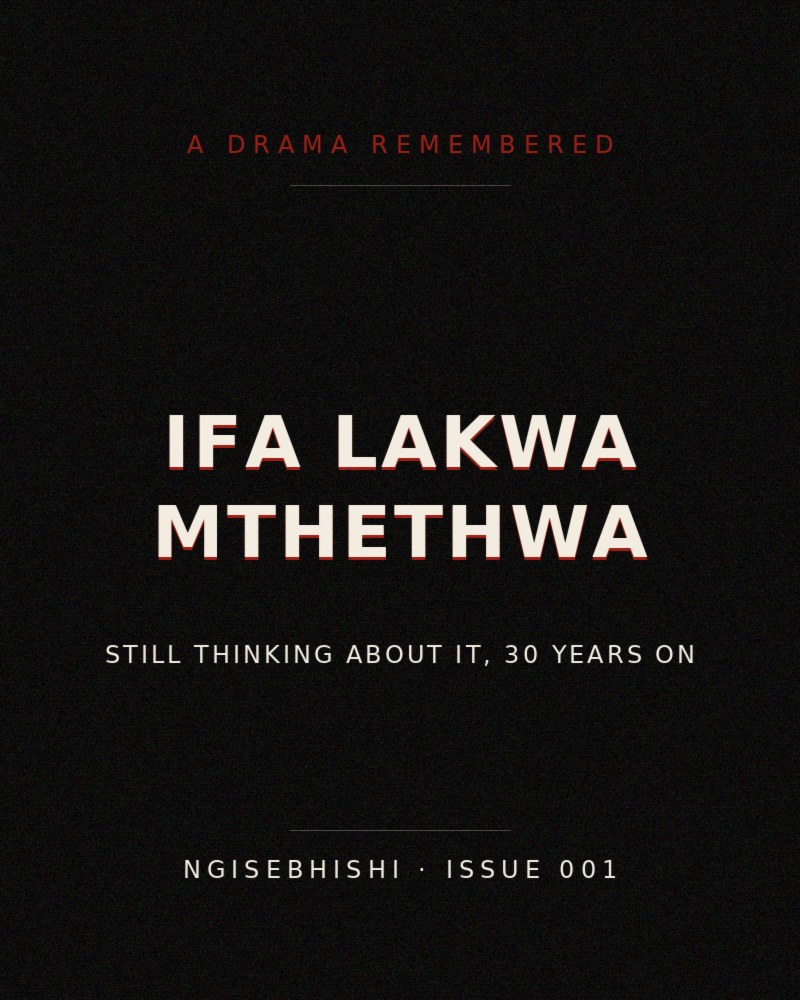
Original retro title-card graphic reading 'Ifa Lakwa Mthethwa — a drama remembered, still thinking about it, 30 years on'

Why I'm thinking about Ifa Lakwa Mthethwa

Every now and then you stumble across a piece of work that refuses to leave your mind. This was one of those.

I went into Ifa Lakwa Mthethwa expecting a good story. What I didn't expect was to spend so much time thinking about the world it created and what that world represented.

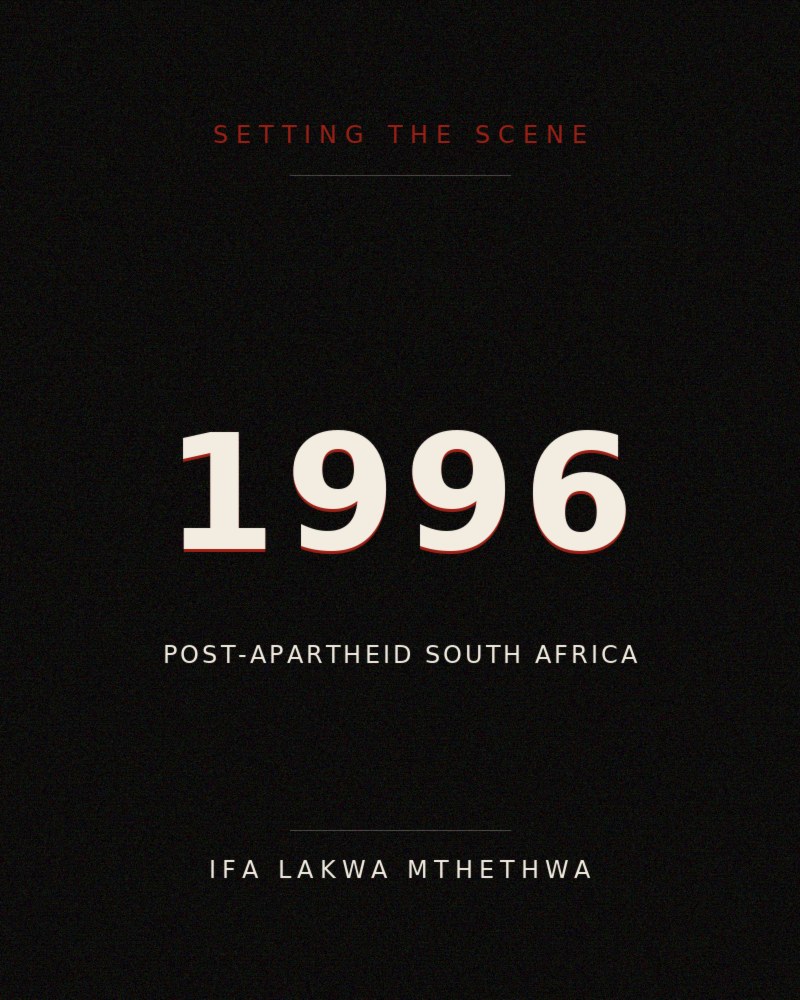
Original graphic reading '1996 — Post-Apartheid South Africa'

Firstly, I never thought I'd find myself so hooked on a television series that was produced before I was born. From the opening scene, where we meet the Mthethwa brothers dressed to the nines, casually enjoying a round of golf, I knew I was in for something special. Ifa Lakwa Mthethwa follows the lives of a prominent Black family navigating life in post-apartheid South Africa, but what kept me coming back wasn't just the story.

At first, I thought it was the character development. Then I thought it was the writing. The more I watched, though, the more I realised I was fascinated by something much bigger. I was fascinated by the world. There's one thought I kept coming back to while watching the series.

The Mthethwas never feel like they're performing success.

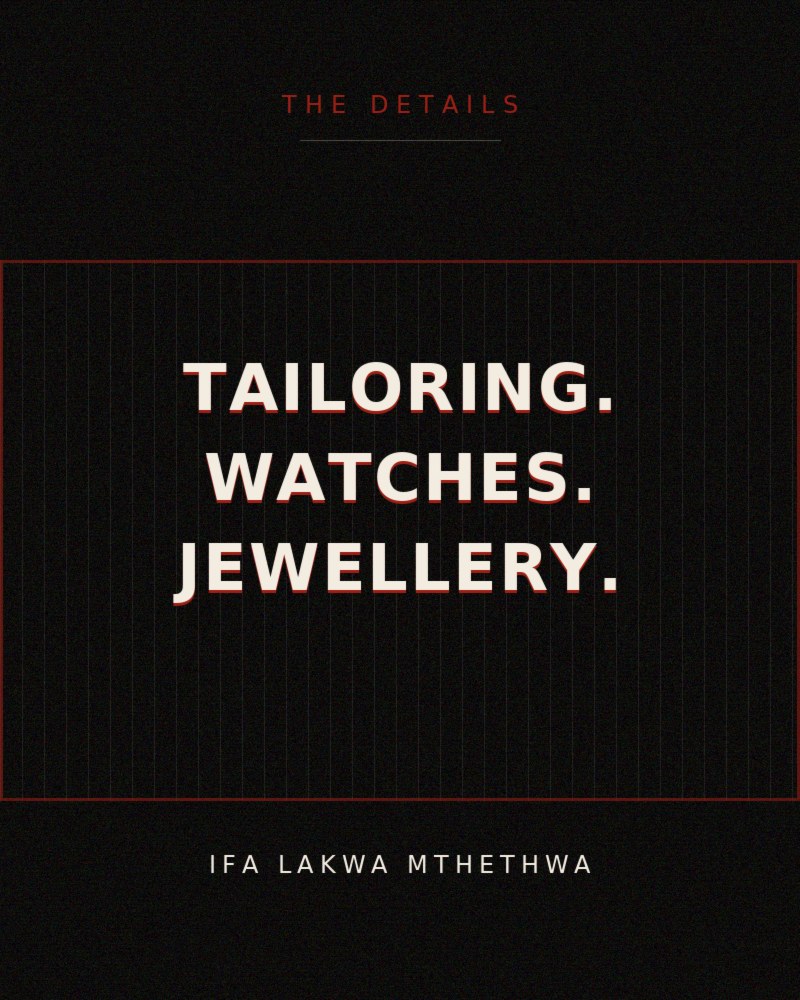
Original graphic reading 'The Details — Tailoring. Watches. Jewellery.'

It's in the way they dress, the tailoring, the watches, the jewellery and the small details all quietly communicate who they are. Their homes feel lived in, the cars make sense and the golf course doesn't feel like a statement. Neither do the restaurants they frequent or the circles they move in.

Nothing ever feels like the production is trying to convince us that this family belongs in these spaces. They simply do. It's the kind of confidence that says, "We're true to this, not new to this."

That subtlety is what stayed with me. Too often, wealth on screen is presented as spectacle. Here, it feels like an environment. It's simply the world these characters inhabit, and because of that, you stop paying attention to what they have and start paying attention to who they are. And that's where the show really shines. Every character wants something. Everyone is working towards something bigger than themselves.

Their ambitions don't always lead them down the right path, characters like Nana and Bafana remind us of that but their decisions always feel rooted in desire, fear, love or pride rather than existing simply to move the plot forward.

The women, in particular, stood out to me. Their stories aren't confined to what society expects of them. They have careers, ambitions, opinions and agency. They make difficult decisions, chase their own goals and exist as fully realised people rather than supporting characters in someone else's journey.

Watching that in a series set in 1996 felt surprisingly refreshing. The more I thought about it, the more I wondered what it must have felt like to watch Ifa Lakwa Mthethwa when it first aired. To see a successful Black family portrayed with this much care in post-apartheid South Africa must have meant something. Whether viewers saw themselves reflected in the Mthethwas or simply saw a future they hadn't yet imagined, I can't help but think representation like this mattered…and it still does.

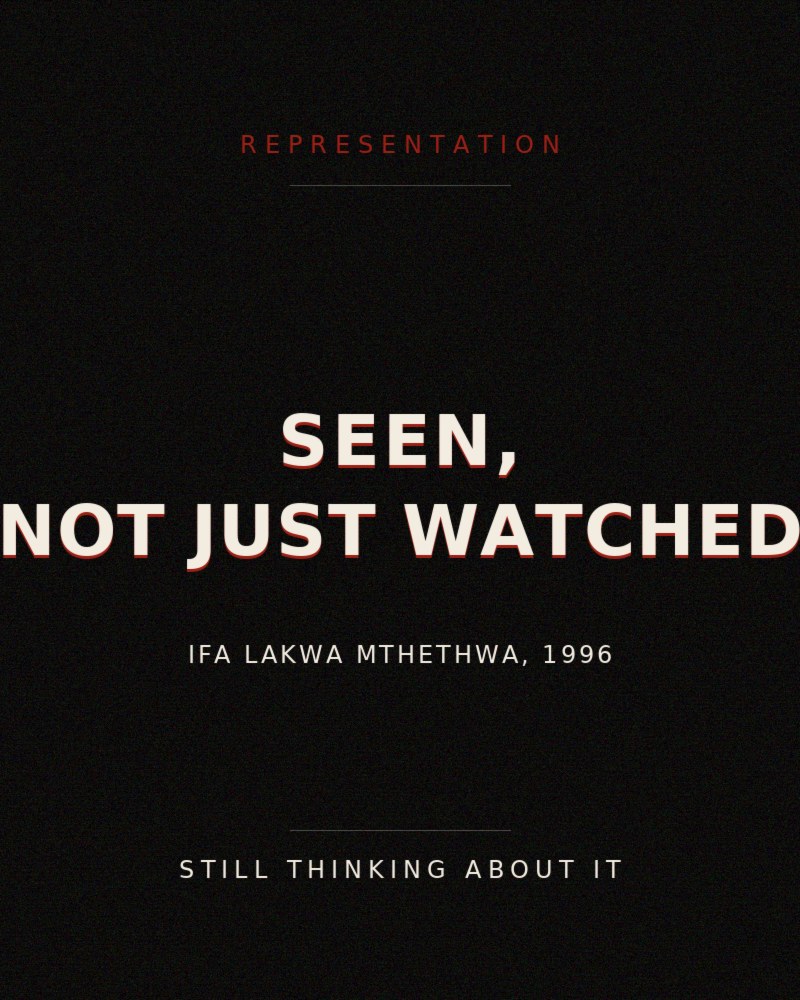
Original graphic reading 'Seen, Not Just Watched — Ifa Lakwa Mthethwa, 1996'

There's absolutely a place for stories about struggle, crime and survival. Those stories are part of who we are too. But they shouldn't be the only stories we tell about ourselves. Sometimes representation looks like allowing Black characters to exist without constantly having to justify why they belong. Sometimes it looks like watching a family navigate love, ambition, betrayal, business and legacy while accepting, without question, that this is simply their world.

Maybe that's why Ifa Lakwa Mthethwa has stayed with me. Not because it reminded me of the past. But because, almost thirty years later, its world still feels aspirational, thoughtful and remarkably modern.

Still thinking...

One of my favourite things about storytelling is world-building.

The best stories don't just introduce characters. They create environments that feel so complete you forget you're watching fiction. You believe the homes, you believe the relationships, you believe the conversations. Most importantly, you believe the people.

That's what Ifa Lakwa Mthethwa gave me. Not just a compelling story, but a world that felt lived in. And that's the kind of storytelling I can't stop thinking about.

04 — Rent Free

Ixoxwa Ngethombe

Football, Style & Everyday Life Issue 001

What happens when we decide that everyday moments are worth remembering?

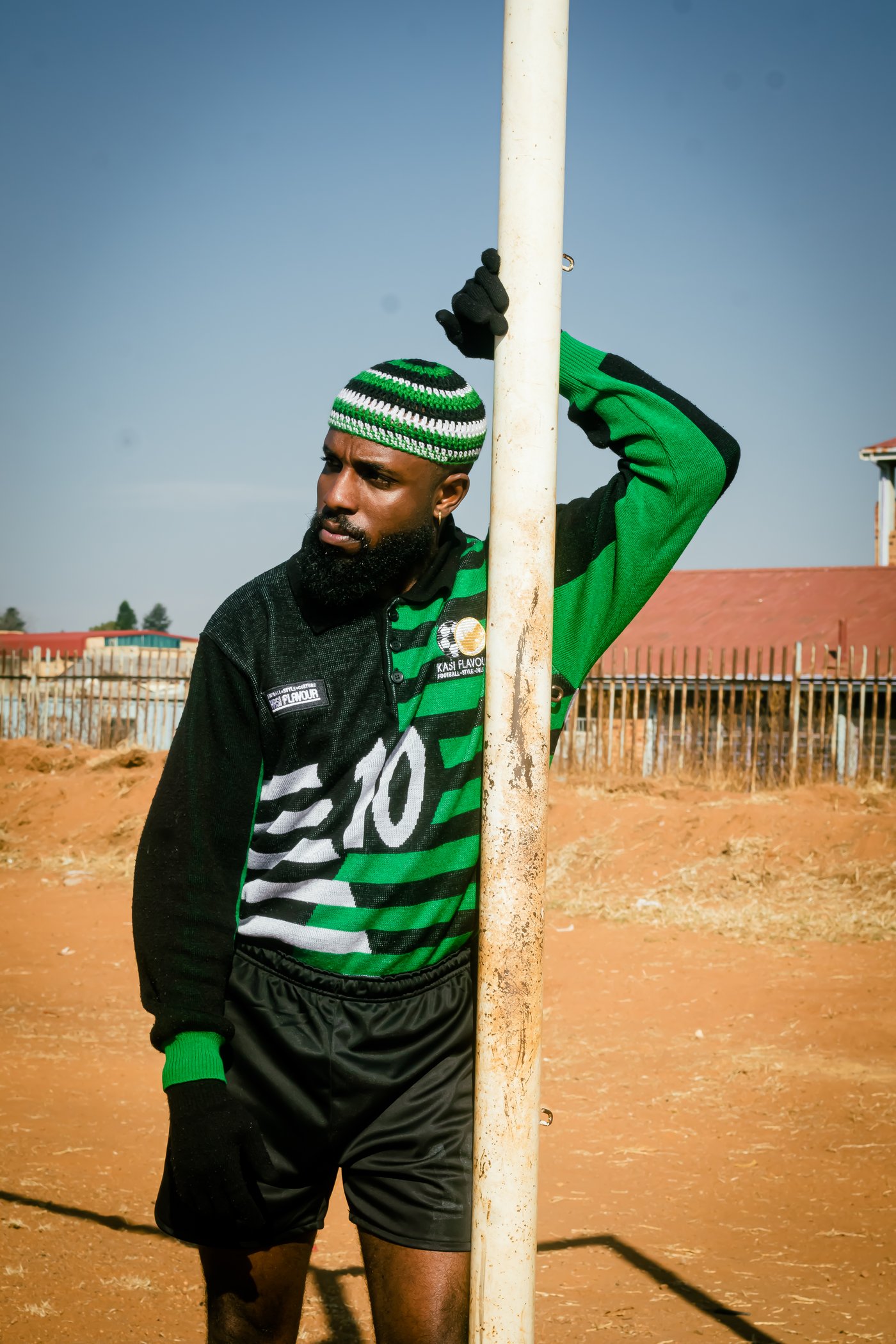
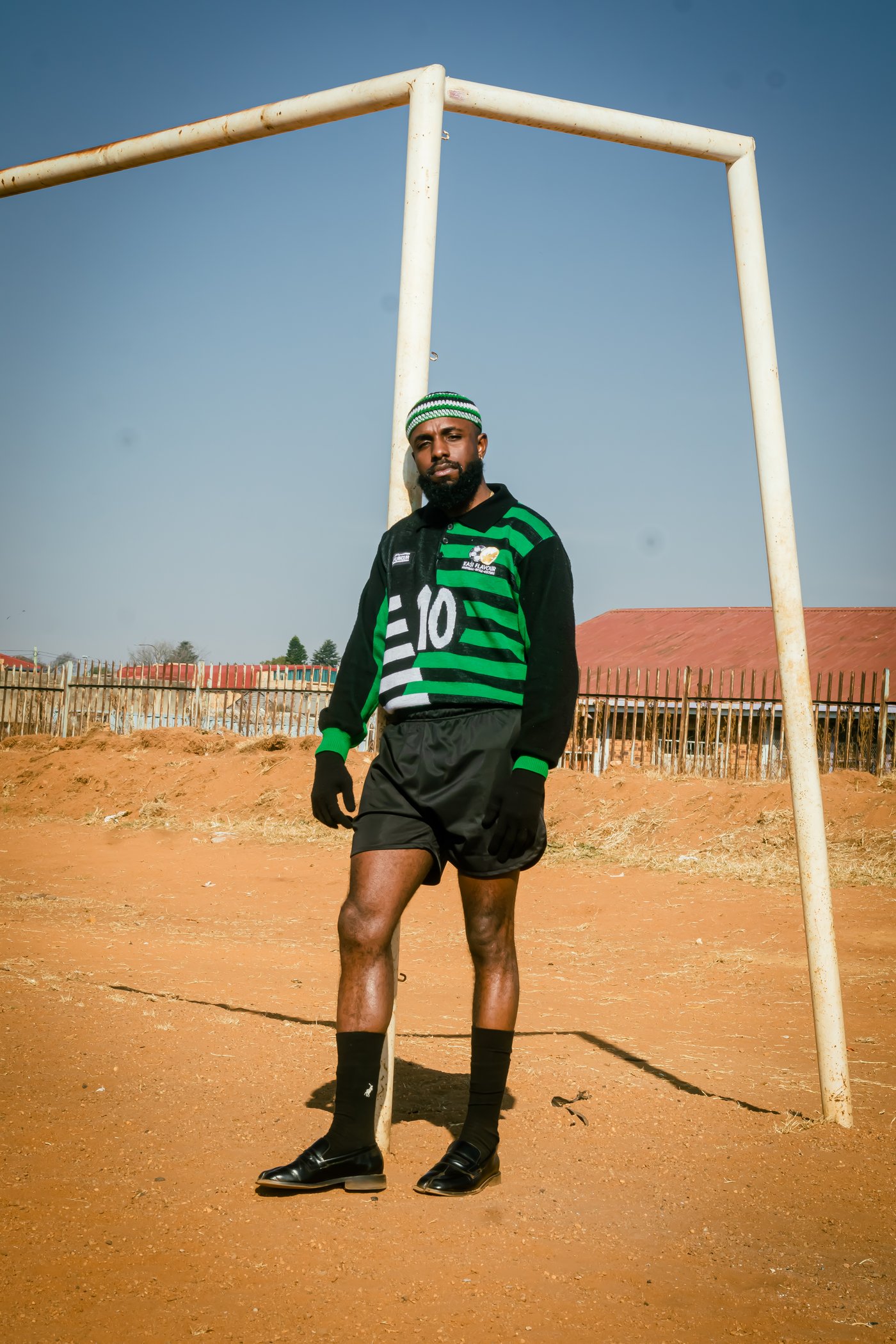
From Daily Click: man in green and black number 10 Kasi Flavour jersey leaning on a goalpost

From Daily Click, by @takeoverseason_

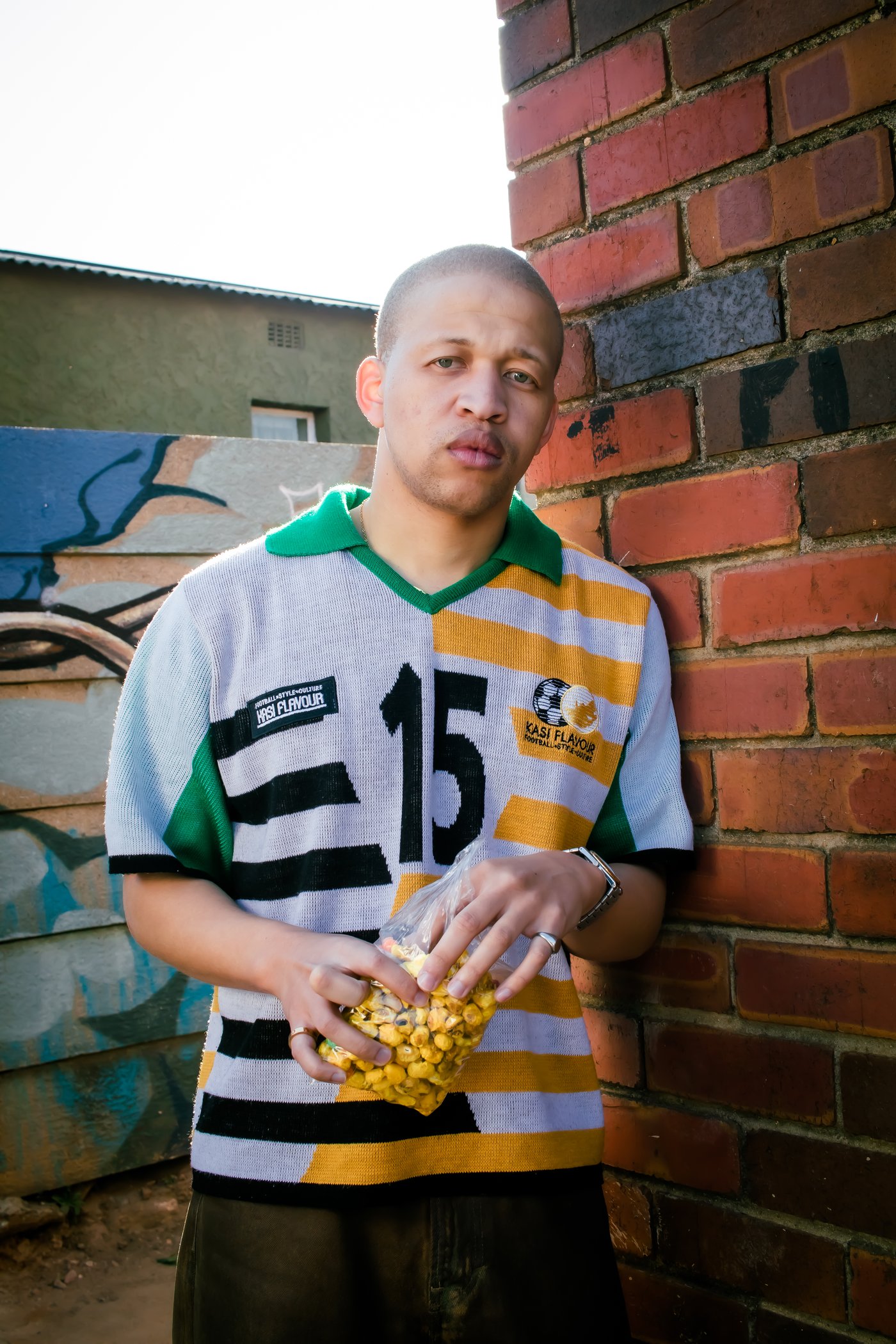
We often think of archives as something formal. Museums, libraries or boxes of photographs carefully labelled and stored away. But some of the most important archives are built differently. They begin with someone noticing what everyone else walks past. Kasi Flava has built more than a brand around township football culture. Through knitwear, photography and community, it has created a visual language that celebrates a world many of us already recognise.

From Daily Click: man in white and yellow number 15 Kasi Flavour jersey holding a bag of ama kip kip chips

From Daily Click, by @takeoverseason_

Around the same time, I found myself revisiting Daily Click, an ongoing photography series by Simphiwe Siyaya, documenting the people, places and interactions that make up everyday life. What began as a thirty-day challenge has grown into an evolving archive of ordinary moments. At first, they seemed like separate projects. One rooted in football culture, the other in street photography. But the more I sat with them, the more I realised they were asking the same question: what is worth remembering?

From Daily Click: man in green and black number 10 Kasi Flavour jersey standing at a goalpost

From Daily Click, by @takeoverseason_

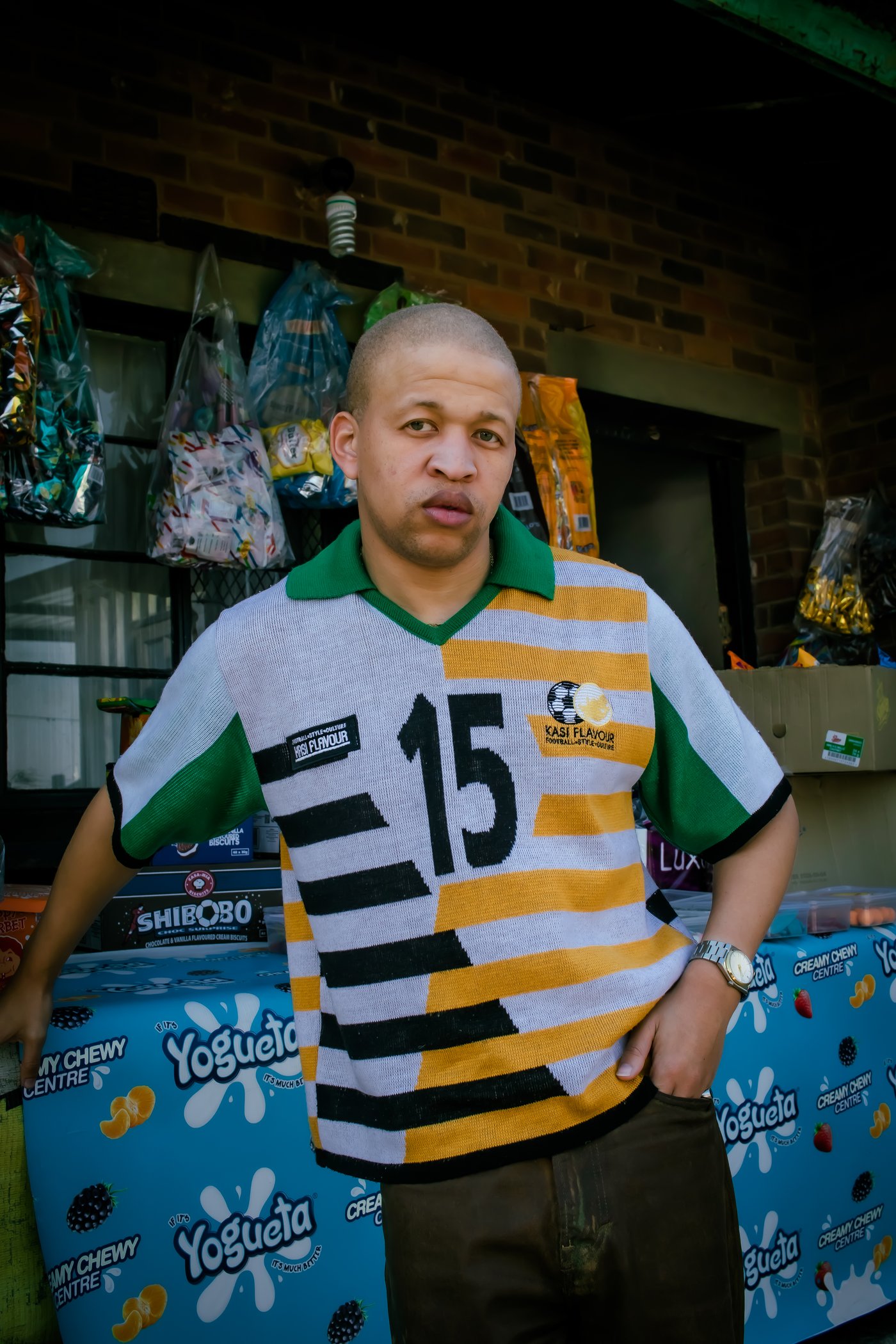
It's easy to think these photographs are about football. Or fashion. Or portraiture. But in all honesty, they're a mix of that and the beauty of subtle storytelling that stays with you long after you've scrolled past the images. There's a feeling of nostalgia that these images bring out. Outside of the soccer field, which is a representation of a "grass roots" beginning for some players, to the colourful ama kip kip chips, there's a sense of relatability, nostalgia and world building that's explored through these. These details become evidence of a place, a time and a way of moving through the world. It's a moment most of us would never think to preserve.

From Daily Click: man in white, yellow and green number 15 Kasi Flavour jersey outside a spaza shop

From Daily Click, by @takeoverseason_

Shout-out to the whole team behind these images: @takeoverseason_ and @trippy.catalyst for the photography, @ipeleng2.0 on lighting, and @broigbo and @binomusic_ for ukuphola kakhulu with the fits.

Wearing The Iconic Kasi Flavour Jerseys @broigbo & @binomusic_

Collection @kasiflavour10

Light Operator @ipeleng2.0

CD @takeoverseason_ / @trippy.catalyst

05

Ngisebhishi FM

Every issue needs a soundtrack.

Animated waveform graphic reading 'Ngisebhishi FM — Every issue needs a soundtrack'

One of my favourite things about music is that it has a way of documenting seasons of our lives better than we ever could. Sometimes it's a single song. Other times, it's a creative movement like Flip February that reminds you just how much incredible music is being made right here at home.

This month's playlist is a collection of songs, flips and sounds that have been keeping me company lately. Some are new discoveries, some I've had on repeat. Others have simply refused to leave my head.

If you've made it this far, press play. See you on the other side.

Listen on SoundCloud →
Closing

Bye, Bye...

A few days ago, my sister and I were arguing about the KISS acronym. She says it stands for "Keep It Short, Stupid." I say it stands for "Keep It Short and Simple." Whichever side you're on, just know that I try my best to keep my thing brief.

If you've made it this far, thank you for hanging out with me for Issue 001.

I hope one of these conversations has left you with something new to support, watch, listen to or simply think about.

If you're anything like me and you're constantly looking for new ways to "touch more grass," I hope this little corner of the internet gave you a reason to slow down for a moment.

I really appreciate you taking the time to hang out with me.

Until next time... take it easy, chomie.
–uAsande

Ngisebhishi FM Ngisebhishi FM cover art

Cover art — Issue 001

Issue 001

Credits

Words & editing

Asande Kubone

In conversation

Manala

Founder interview · @manala_za

Manala — featuring

@khocy_pics for @leagokunene, @leratophasha_

Photography & community photos

Manala — Sip & Paint / custom set

@createpaintandsip, @_rezstudios

Featured

Munka

South African word game

Munka photography

@melmbawu

for @munka.world

Featured

Ifa Lakwa Mthethwa

SABC

Rent Free

Ixoxwa Ngethombe

From Daily Click

Ixoxwa Ngethombe — team

@takeoverseason_, @trippy.catalyst

Photography · Light: @ipeleng2.0

Ixoxwa Ngethombe — wearing

@broigbo, @binomusic_

Collection: @kasiflavour10

Soundtrack

Ngisebhishi FM

Instrumental

Nightmare Henry

Editor's Note
1 / 1

Drag from an edge, tap a corner, or use the arrows